
Major herbaria, universities, agriculture and forestry research institutes worldwide preserve millions of sheet specimens, seed specimens and fossil specimens. Traditional physical specimens come with multiple inherent drawbacks:
● Irreparable deterioration: Paper-based specimens are vulnerable to dampness, insect infestation, fading and physical damage. Frequent handling causes irreversible harm to collections. Rare type specimens and century-old historic specimens cannot be easily lent out for reference.
● Barriers to resource sharing: Specimens are scattered across regions and the globe. Researchers face high costs for on-site access, creating obstacles to cross-regional collaboration.
● Heavy storage space requirements: Specimen cabinets and repositories occupy substantial space, with rising annual costs for storage and constant temperature & humidity maintenance.
● Low data retrieval efficiency: Paper labels rely on manual sorting, limiting the efficiency of retrieval, statistics and species traceability.
Plant specimen digitization forms part of the digital archiving project for biological germplasm resources. It enables long-term preservation of precious historic plant specimens and removes barriers to research resource sharing. It provides fundamental digital support for biodiversity research, standardization of traditional Chinese medicine, ecological conservation and popular science education, representing a key infrastructure development direction for digital transformation in agriculture, forestry, biology and traditional Chinese medicine sectors.
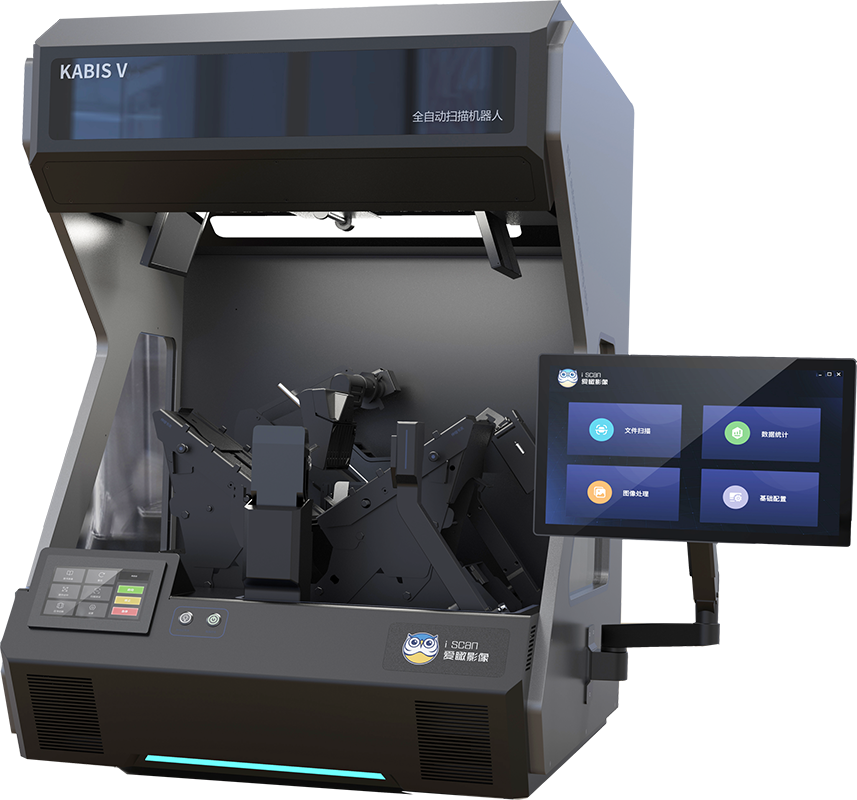
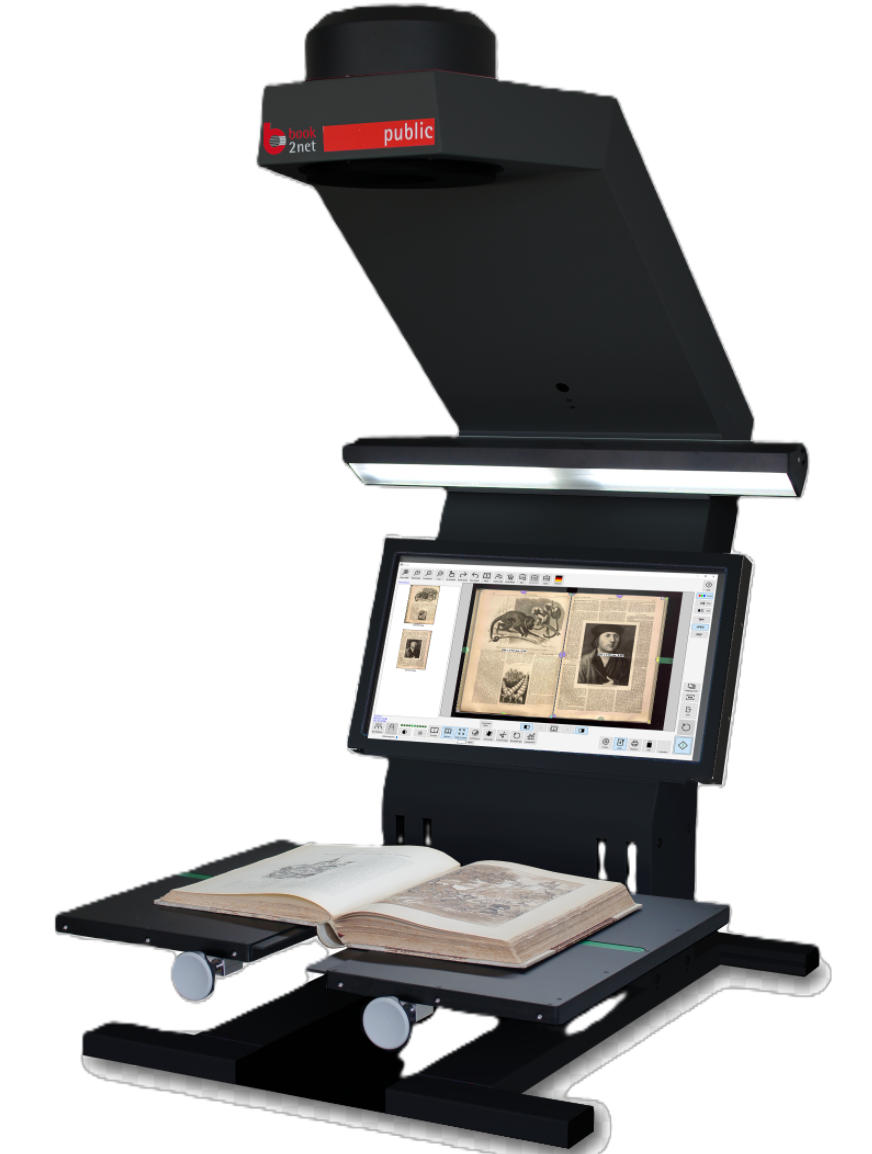
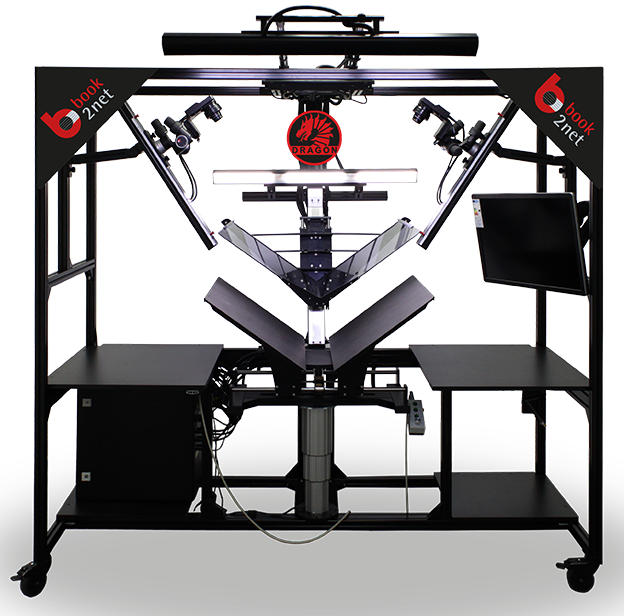
The specimen scanner adopts a non-contact scanning design, which substantially reduces risks of specimen damage, deformation and discoloration fundamentally, and preserves the original shape and delicate texture of specimens to the maximum extent. Featuring user-friendly operation, it enables scanning without complicated procedures to gently protect all kinds of precious specimens, and meets the scanning requirements of moss, herbaceous plants, woody leaves and other various specimen types.
Protect ancient books and documents
Prevent missing pages or damage to ancient books
Effortless scanning of all kinds of ancient books without barriers
Only 0.3 seconds per page
Only 2.2 seconds per scanning cycle
Aerospace-grade matrix CCD lens
Up to 71 megapixels
Zero-distortion restoration
Depth of field up to 15 cm
Flat-field imaging technology to avoid curvature distortion
Micro details of physical objects
Up to 300 million consecutive scans for the lens
No vulnerable or consumable parts
No mechanical transmission device for extended service life
Functions including automatic finger removal and automatic image deskewing
Supports common image formats such as TIFF, JPG, BMP, PDF and dual-layer PDF